Moringa
Moringa oleifera Lam.
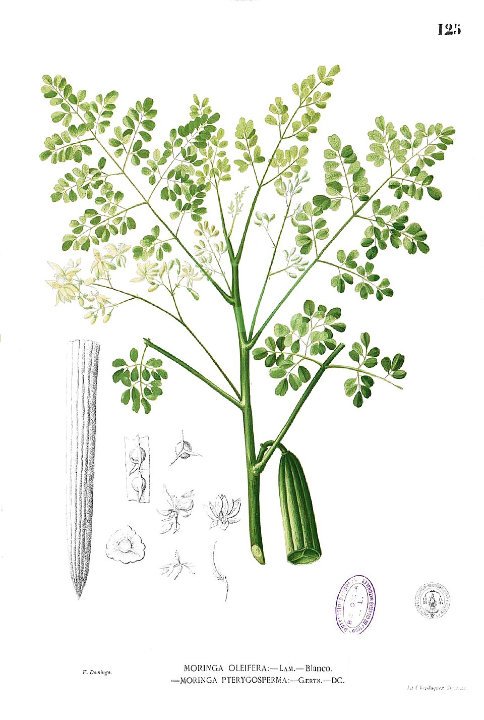
Moringa (Moringa oleifera) is a fast-growing tree valued primarily for its nutrient-dense leaves, which are the only part of the plant documented on this site — the root and root bark of this same plant contain genuinely toxic compounds and are never used here.
Last reviewed October 3, 2026
Members can save items to My Herbarium
Members can track this on their Apothecary Shelf
Is Moringa safe to use?
The leaf is well tolerated by most people in normal culinary and tea amounts. The root and root bark of this same plant, by contrast, contain toxic alkaloids (including spirochin) with documented neurotoxic and uterus-stimulating activity — these parts are never used in any preparation on this site and should be avoided entirely. Consult a healthcare provider before regular use if pregnant, breastfeeding, or managing a liver, kidney, thyroid, or cardiovascular condition, or if taking prescription medication.
This is educational information, not medical advice. See our full Disclaimer before use.
Unlock the Full Herbarium
Plant description, traditional uses, preparation notes, and growing guides for Moringa — plus every herb in the collection — are available to Full Herbarium members.
Become a Member Not sure yet? Try the full Herbarium with one recipe.