Bay Leaf
Laurus nobilis L.
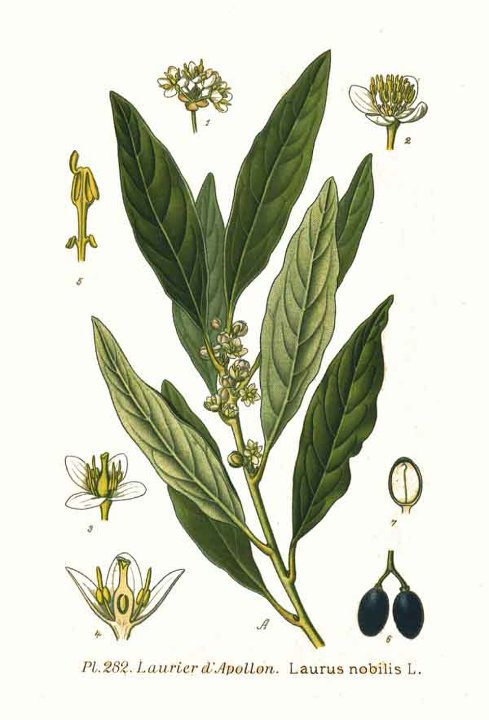
Bay Leaf (Laurus nobilis) is an aromatic evergreen tree whose dried, leathery leaves are a classic savory culinary seasoning, used whole and removed before serving.
Last reviewed October 7, 2026
Members can save items to My Herbarium
Members can track this on their Apothecary Shelf
What is Bay Leaf?
Origin: Native to the Mediterranean region.
Growing Notes: Full sun to partial shade, well-drained soil; slow-growing evergreen, often grown in a container in cooler climates.
What is Bay Leaf traditionally used for?
Long used as a culinary flavoring for soups, stews, and braises; traditionally also associated with mild digestive support.
How is Bay Leaf prepared?
Used whole in cooking, always removed before serving — the dried leaf remains stiff and sharp-edged even after cooking.
Dosage: This site documents bay leaf as a culinary flavoring herb only.
Is Bay Leaf safe to use?
Very well tolerated as a culinary flavoring. Always remove whole bay leaves before serving a dish — they do not soften fully in cooking and can cause choking or minor internal injury if accidentally swallowed. Not intended to be eaten whole.
This is educational information, not medical advice. See our full Disclaimer before use.
What else is Bay Leaf called?
- Bay Laurel
- Sweet Bay
More Like This
Gallery


Sources
Used in rituals & traditions
The symbolic and spiritual side of Bay Leaf is kept in the Cauldron:
- Planetary & elemental correspondence
- Folklore & spiritual associations
- Religious & cultural history
- Rituals & traditions that use it