Cumin
Cuminum cyminum L.
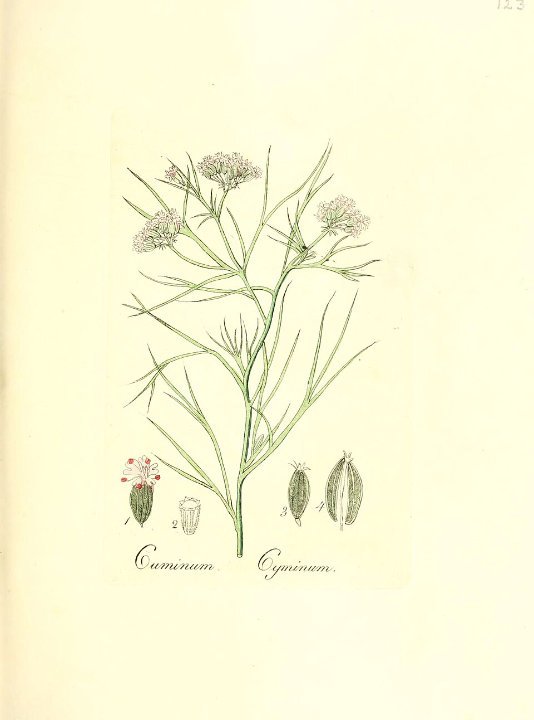
Cumin (Cuminum cyminum) is a small flowering annual in the carrot family, grown for its aromatic, earthy seeds — a foundational spice across Middle Eastern, Indian, and Latin American cuisines.
Last reviewed October 7, 2026
Members can save items to My Herbarium
Members can track this on their Apothecary Shelf
What is Cumin?
Origin: Native to the eastern Mediterranean and South Asia.
Growing Notes: Full sun, well-drained soil, needs a long warm growing season.
What is Cumin traditionally used for?
Long used as a warming digestive spice across multiple traditional systems, traditionally taken to ease bloating and support digestion after meals.
How is Cumin prepared?
Most often used whole or ground as a culinary spice; can be prepared as a simple digestive tea from lightly toasted seeds.
Dosage: This site documents cumin primarily as a culinary spice and simple seed tea.
Is Cumin safe to use?
Very well tolerated in normal culinary and traditional tea amounts. May have a mild blood-sugar-lowering effect at concentrated/extract levels — worth a note for anyone on diabetes medication considering regular concentrated use, though not a concern at ordinary culinary levels.
This is educational information, not medical advice. See our full Disclaimer before use.
More Like This
Gallery
Sources
Used in rituals & traditions
The symbolic and spiritual side of Cumin is kept in the Cauldron:
- Planetary & elemental correspondence
- Folklore & spiritual associations
- Religious & cultural history