Basil
Ocimum basilicum L.
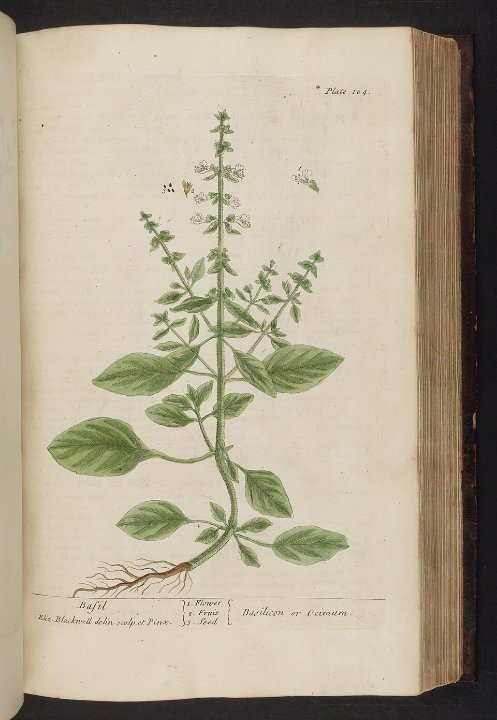
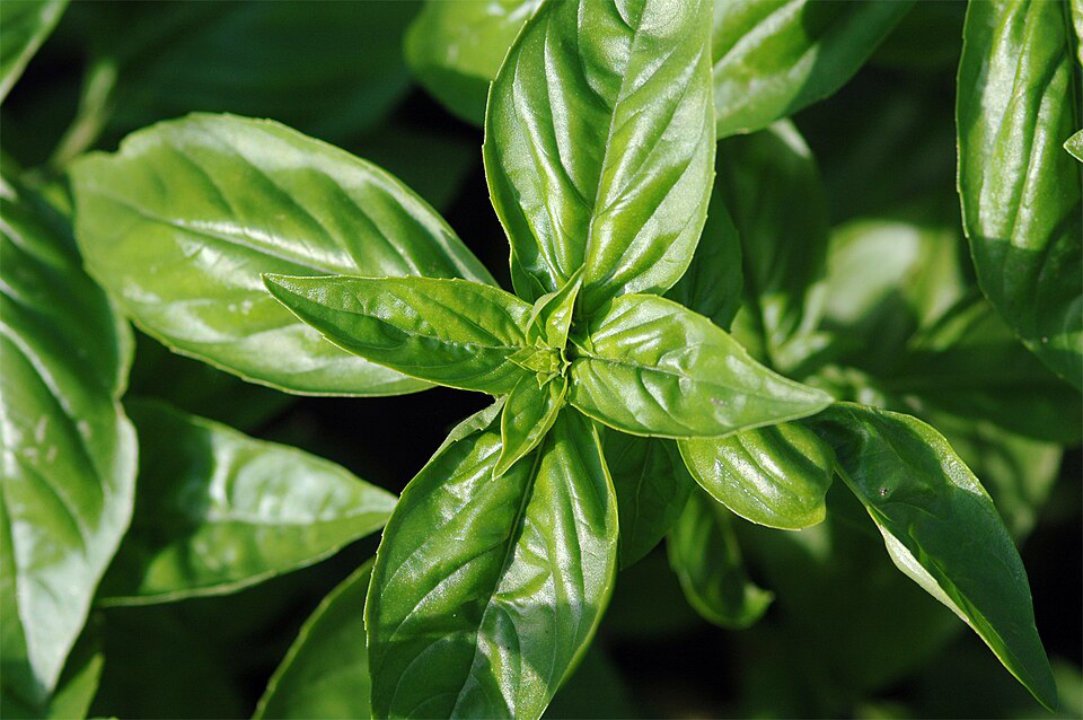
Basil (Ocimum basilicum) is a fragrant culinary annual with bright green, tender leaves and a warm, slightly sweet, peppery aroma — distinct from the library's existing Holy Basil (Ocimum tenuiflorum), a related but separate species with a more traditionally medicinal role.
Last reviewed October 7, 2026
Members can save items to My Herbarium
Members can track this on their Apothecary Shelf
What is Basil?
Origin: Native to tropical Asia and Africa, cultivated worldwide as a culinary herb.
Growing Notes: Full sun, warm weather, average well-drained soil; frost-tender annual.
What is Basil traditionally used for?
Primarily valued as a culinary herb; traditionally also used in mild digestive teas, distinct from Holy Basil's deeper traditional medicinal role.
How is Basil prepared?
Most commonly used fresh as a culinary ingredient; can also be prepared as a mild infusion from fresh or dried leaf.
Dosage: This site documents basil primarily as a culinary herb.
Is Basil safe to use?
Very well tolerated in normal culinary amounts. Concentrated basil essential oil should not be taken internally. Very high, concentrated intake is best avoided in pregnancy, though normal culinary use is considered safe.
This is educational information, not medical advice. See our full Disclaimer before use.
What else is Basil called?
- Sweet Basil
- Common Basil
More Like This
Gallery
Sources
Used in rituals & traditions
The symbolic and spiritual side of Basil is kept in the Cauldron:
- Planetary & elemental correspondence
- Folklore & spiritual associations
- Religious & cultural history