Tea Tree
Melaleuca alternifolia (Maiden & Betche) Cheel
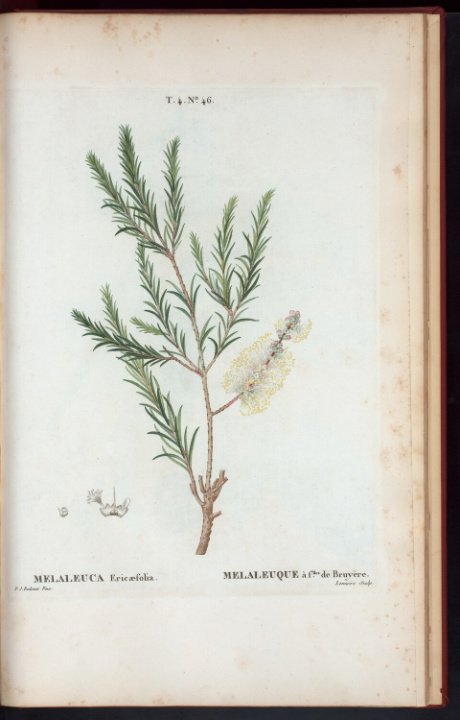
Tea Tree (Melaleuca alternifolia) is a small paperbark tree with narrow, needle-like aromatic leaves and creamy white bottlebrush flowers, native to the swampy lowlands of Australia.
Last reviewed October 7, 2026
Members can save items to My Herbarium
Members can track this on their Apothecary Shelf
What is Tea Tree?
Origin: Native to the coastal wetlands of New South Wales and Queensland, Australia, where it was traditionally used by Aboriginal peoples.
Growing Notes: Full sun, consistently moist to boggy soil, tolerant of some flooding; frost-tender and typically grown only in warm, humid climates outside Australia.
What is Tea Tree traditionally used for?
Traditionally used by Aboriginal Australians, who crushed the leaves and inhaled the aroma for coughs and applied crushed leaves topically to wounds. Modern use centers on the steam-distilled essential oil as a topical antimicrobial for minor skin concerns.
How is Tea Tree prepared?
This site documents diluted topical use only — tea tree essential oil is never prepared or used internally here. Dilute the essential oil to roughly 1-5% in a carrier oil, lotion, or salve before applying to skin; never apply undiluted oil directly.
Dosage: Topical only: dilute to 1-5% in a carrier oil, lotion, or salve (0.5-2.5% for sensitive or young skin) before applying to the affected area. This site provides no internal dosing — see Safety Notes.
Is Tea Tree safe to use?
Tea tree oil is toxic if swallowed — there is no safe internal dose, and accidental ingestion (even small amounts) requires immediate contact with Poison Control. Undiluted oil applied directly to skin can cause burns and irritation; always dilute in a carrier oil first, and patch-test before broader use, since allergic contact reactions occur in a meaningful minority of users. Children under 6 should not use tea tree oil products without pediatric guidance, and use only well-diluted (half-strength or lower) preparations for older children. There are case reports of hormone-related effects (breast tissue changes) in young boys with repeated topical exposure, though this remains a debated and not fully settled area of research — a reasonable precaution is limiting regular topical use in young children to when it's genuinely needed. Tea tree oil is genuinely dangerous to pets, especially cats, even in small topical amounts — never apply it to or diffuse it heavily around household pets.
This is educational information, not medical advice. See our full Disclaimer before use.
What else is Tea Tree called?
- Melaleuca
Recipes Featuring Tea Tree
Related Herbs
More Like This
Gallery
