Ginseng
Panax ginseng C.A.Mey.
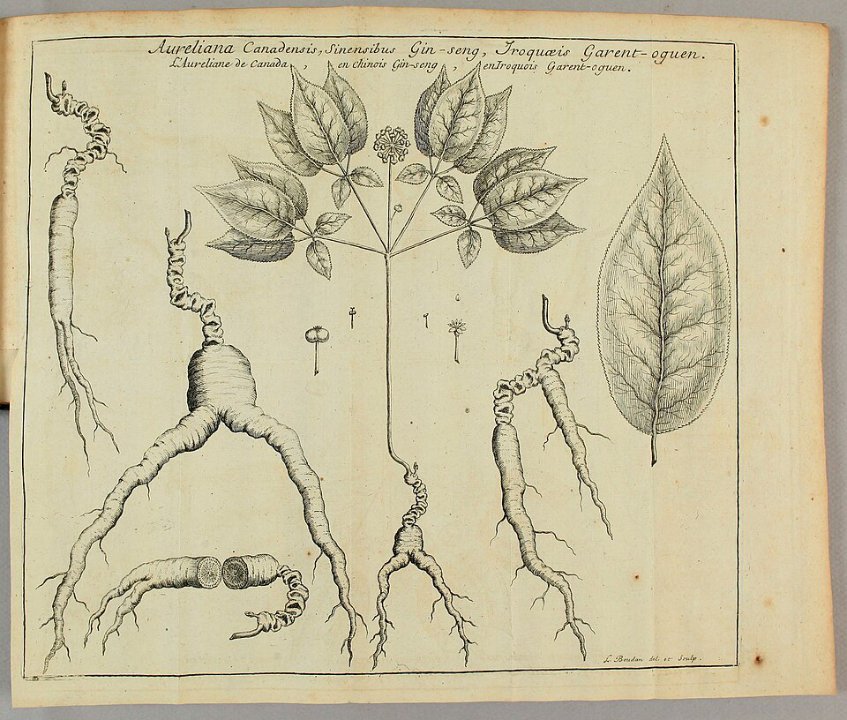
Ginseng (Panax ginseng) is a slow-growing woodland perennial with a distinctive forked, humanlike taproot, palmate leaves, and small red berries, cultivated primarily for its aged root.
Last reviewed August 8, 2026
Members can save items to My Herbarium
Members can track this on their Apothecary Shelf
Is Ginseng safe to use?
Panax ginseng has real stimulant properties and can cause nervousness, insomnia, and headaches, especially combined with caffeine or other stimulants. It may decrease the effectiveness of warfarin and has a theoretical bleeding-risk interaction with other blood thinners. Combined with MAOI antidepressants (like phenelzine), it has caused manic-like symptoms in case reports — do not combine the two. It can lower blood sugar and cause additive hypoglycemia with diabetes medications, including insulin. Traditional contraindications include high blood pressure, acute asthma, acute infections, and nosebleeds or heavy menstrual bleeding. Reported hormone-related effects (breast tenderness, vaginal bleeding) mean caution is warranted alongside hormone therapy. Avoid taking late in the day if it disrupts sleep.
This is educational information, not medical advice. See our full Disclaimer before use.
Unlock the Full Herbarium
Plant description, traditional uses, preparation notes, and growing guides for Ginseng — plus every herb in the collection — are available to Full Herbarium members.
Become a Member Not sure yet? Try the full Herbarium with one recipe.Recipes Featuring Ginseng
Related Herbs
More Like This
Articles Mentioning This Herb
Used in rituals & traditions
The symbolic and spiritual side of Ginseng is kept in the Cauldron:
- Planetary & elemental correspondence
- Folklore & spiritual associations