Eyebright
Euphrasia officinalis L.
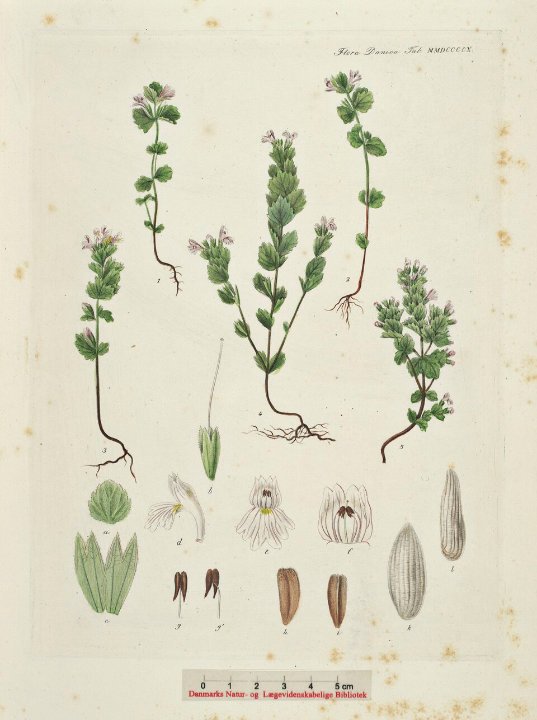
Eyebright (Euphrasia officinalis) is a small, semi-parasitic annual wildflower with tiny white flowers streaked with purple and a yellow throat, growing low in grasslands and meadows.
Last reviewed August 8, 2026
Members can save items to My Herbarium
Members can track this on their Apothecary Shelf
Is Eyebright safe to use?
IMPORTANT: Do not apply homemade Eyebright preparations directly to the eye. Non-sterile compresses, poultices, or eyewashes made at home carry a documented risk of eye infection from contamination, and health authorities including Germany's Commission E do not support this use for exactly that reason — any perceived traditional benefit does not outweigh the infection risk of an unsterile preparation near the eye. Taken internally as a tea, Eyebright is possibly safe for most adults, though tincture doses have been associated with confusion, headache, and other adverse effects. Avoid during pregnancy and breastfeeding due to insufficient safety data. If you have an actual eye infection, vision changes, or eye pain, see a doctor rather than self-treating.
This is educational information, not medical advice. See our full Disclaimer before use.
Unlock the Full Herbarium
Plant description, traditional uses, preparation notes, and growing guides for Eyebright — plus every herb in the collection — are available to Full Herbarium members.
Become a Member Not sure yet? Try the full Herbarium with one recipe.Recipes Featuring Eyebright
Related Herbs
More Like This
Used in rituals & traditions
The symbolic and spiritual side of Eyebright is kept in the Cauldron:
- Planetary & elemental correspondence
- Folklore & spiritual associations